

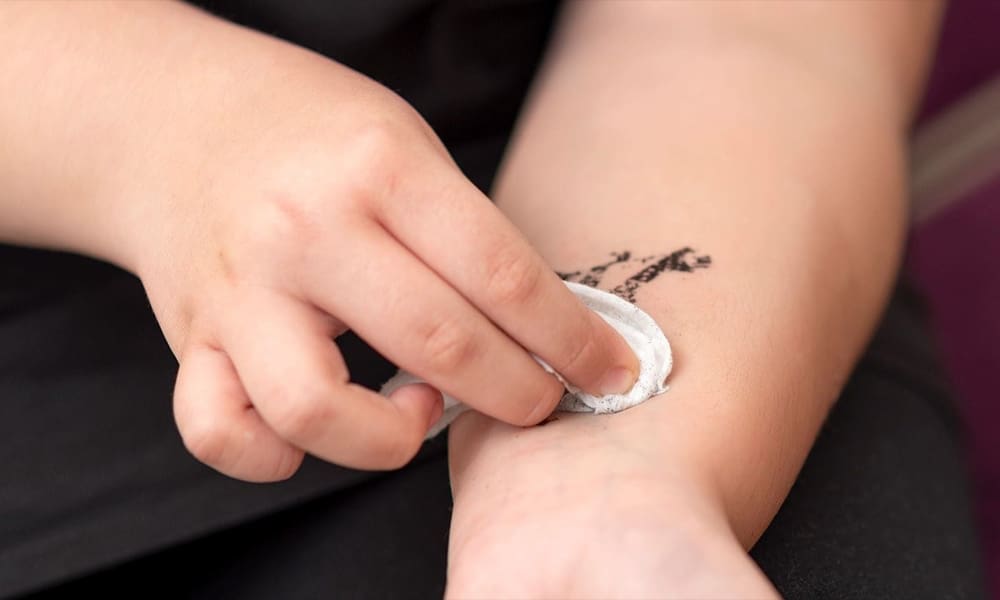
We’ve all been there. You wake up one morning, look in the mirror, and that tattoo that once held deep meaning now feels like a permanent reminder of a different chapter in your life. The impulse to search for how to remove a tattoo at home is completely understandable, but before you reach for that lemon juice, salt scrub, or DIY laser device, let’s have an honest conversation about why home tattoo removal is never worth the risk.
The Allure (and Danger) of DIY Tattoo Removal
In an era where YouTube tutorials promise we can do everything ourselves, it’s tempting to believe that tattoo removal is just another DIY project. Search engines are flooded with home remedies claiming to fade or remove tattoos: salt abrasion, acidic creams, bleaching agents, freezing methods, and even budget laser devices sold online. The appeal is obvious – these methods seem cheaper, more convenient, and more private than visiting a professional clinic.
However, what these articles and videos rarely show you are the horrific complications that can follow, including severe scarring, infections, chemical burns, permanent skin discoloration, and in some cases, injuries that require emergency medical attention. According to the American Academy of Dermatology, attempting to remove tattoos at home can result in far worse outcomes than the original tattoo, leaving you with permanent damage that’s impossible to correct.
If you’re searching for tattoo removal near me in New York City, know that professional treatment is the only safe path forward.
Schedule a consultation at Fadery to explore your options with certified specialists who prioritize your safety and results.
Understanding the Science
To understand why home removal methods fail and often cause harm, we need to understand how tattoos work. When you get tattooed, ink particles are deposited deep into the dermis layer of your skin, approximately 1.5 to 2 millimeters below the surface. These particles are too large for your body’s immune system to naturally remove, which is why tattoos are permanent.
Professional laser tattoo removal works by using specific wavelengths of light that target tattoo pigment. The laser breaks down ink particles into smaller fragments that your body’s lymphatic system can gradually eliminate. This process requires:
- Medical-grade laser equipment that costs hundreds of thousands of dollars
- Precise calibration for different ink colors and skin types
- Trained technicians who understand dermatology and laser physics
- Multiple treatment sessions spaced weeks apart for healing
- Proper wound care and infection prevention protocols
Research published in the Journal of Clinical and Aesthetic Dermatology confirms that Q-switched lasers and picosecond lasers are the gold standard for safe, effective tattoo removal. These technologies cannot be replicated at home, and attempting to do so with consumer-grade devices or household items is both ineffective and dangerous.
The Most Common (and Most Dangerous) Home Removal Methods
Let’s examine the DIY tattoo removal methods people try and why each one poses serious risks:
Salt Scrub and Dermabrasion
One of the oldest home removal myths involves rubbing salt, sand, or other abrasive materials onto tattooed skin. The theory is that aggressive scrubbing will sand away the top layers of skin, taking the tattoo with it.
The Reality: Tattoo ink sits in the dermis, far below the layers you can scrub away. What you’re actually doing is creating an open wound that can become infected, lead to severe scarring, and cause permanent skin texture changes. The FDA warns against any form of mechanical skin removal without medical supervision, as it can result in serious complications requiring surgical intervention.
Acidic Substances (Lemon Juice, Vinegar, Glycolic Acid)
Another popular myth suggests that acidic substances will bleach or dissolve tattoo ink. People apply lemon juice, apple cider vinegar, or over-the-counter acid peels directly to their tattoos, often under occlusive bandages to “enhance” penetration.
The Reality: These acids don’t selectively target tattoo ink; they indiscriminately damage all skin tissue. This can result in chemical burns, hyperpigmentation (dark patches), hypopigmentation (light patches), and permanent scarring.
Salabrasion
This technique combines salt scrubbing with deliberate wounding of the skin, sometimes using wooden blocks or other tools to press salt into abraded skin.
The Reality: Salabrasion is essentially controlled tissue destruction without any of the medical safeguards. It’s excruciatingly painful, has an extremely high infection risk, always causes scarring, and rarely removes significant ink. Even when performed in clinical settings decades ago (before laser technology), salabrasion was considered a last resort due to its poor outcomes and high complication rates.
Home Laser Devices
With online marketplaces selling tattoo removal lasers for a few hundred dollars, some people believe they can perform laser treatments at home.
The Reality: Legitimate medical lasers cost $100,000-$400,000 and require extensive training to operate safely. Consumer devices claiming to remove tattoos either don’t have sufficient power to affect tattoo ink (making them useless) or lack proper safety features (making them dangerous).
Tattoo Removal Creams and Fading Creams
Numerous creams and topical products promise to fade or remove tattoos through daily application.
The Reality: The FDA has issued warnings about tattoo removal creams, stating that no over-the-counter topical product can effectively remove tattoos. Many of these creams contain hydroquinone, tretinoin, or TCA (trichloroacetic acid) in concentrations that can cause skin irritation, burns, and allergic reactions. At best, they waste your money. At worst, they damage your skin while leaving your tattoo completely intact.
Searching for laser tattoo removal New York or professional tattoo removal Manhattan? Don’t gamble with your skin’s health.
Contact Fadery today at our Gansevoort location for evidence-based treatment options.
The Real Costs of Home Tattoo Removal
When people consider DIY tattoo removal, they’re usually motivated by cost savings. However, the true cost calculation reveals a different story:
Financial Costs
- DIY Method Initial Investment: $20-$500 for creams, devices, or materials
- Medical Treatment for Complications: $1,000-$10,000+ for treating infections, burns, or scarring
- Corrective Procedures: $3,000-$15,000+ for scar revision, skin grafts, or reconstructive surgery
- Lost Wages: Time off work for medical appointments and recovery
- Professional Removal After Failed DIY: You’ll likely still need legitimate laser removal, but now the damaged skin may require more sessions at higher cost
Physical Costs
- Permanent scarring (often worse than the original tattoo)
- Skin discoloration that may never fully resolve
- Nerve damage causing numbness or chronic pain
- Increased infection risk, including potentially serious infections like cellulitis or MRSA
- Keloid formation (raised, overgrown scars) in susceptible individuals
- Allergic reactions to chemicals used in DIY methods
Emotional Costs
- Embarrassment and regret over visible skin damage
- Loss of confidence due to disfiguring scars
- Anxiety about permanent damage and what might have been avoided
- Stress from dealing with ongoing medical complications
Finding Safe Tattoo Removal Near Me in New York City
New York City is home to some of the world’s leading dermatology and laser treatment centers. If you’re in Manhattan, Brooklyn, Queens, the Bronx, or Staten Island, you have access to board-certified professionals who can safely remove your unwanted tattoo.
What to Look for in a NYC Tattoo Removal Clinic
When searching for tattoo removal near me, consider these essential factors:
Medical Oversight: Look for clinics supervised by board-certified dermatologists or plastic surgeons. In New York State, laser tattoo removal must be performed under medical supervision.
Advanced Technology: The clinic should use FDA-cleared laser systems specifically designed for tattoo removal, such as, PicoWay, or Q-switched lasers.
Experienced Technicians: Ask about the training and experience of the person performing your treatment. They should have specialized certification in laser safety and tattoo removal.
Customized Treatment Plans: Every tattoo and skin type is different. Reputable clinics assess your specific situation and create individualized treatment plans.
Transparent Pricing: Professional clinics provide clear cost estimates and explain factors that influence pricing.
Clean, Clinical Environment: The facility should meet medical standards for hygiene and safety.
Ready to start your tattoo removal journey with trusted NYC professionals?
Book your consultation at Fadery and discover why New Yorkers choose us for safe, effective tattoo removal.
The Professional Tattoo Removal Process: What to Expect
Understanding what professional treatment entails helps explain why DIY methods can’t replicate these results:
Initial Consultation
Your first visit includes a thorough assessment of your tattoo (size, colors, age, location), medical history review, skin type evaluation, and realistic expectations discussion. The practitioner will photograph your tattoo, explain the removal process, provide a treatment timeline estimate, and answer all your questions.
Treatment Sessions
During each session, which typically lasts 15-45 minutes depending on tattoo size, you’ll experience:
- Skin cleaning and preparation
- Application of numbing cream (if desired)
- Laser treatment using appropriate wavelengths for your ink colors
- Immediate cooling and soothing of treated skin
- Application of healing ointment and protective bandage
- Post-treatment care instructions
Most people describe the sensation as similar to having rubber bands snapped against the skin – uncomfortable but tolerable. Modern lasers often include cooling systems that minimize discomfort.
Healing Period
Between sessions (typically 6-8 weeks), your body’s immune system works to eliminate shattered ink particles. You’ll follow aftercare instructions, including keeping the area clean, avoiding sun exposure, not picking at scabs or blisters, moisturizing as directed, and watching for signs of infection.
Number of Sessions Required
Complete removal typically requires 6-12 sessions, though this varies based on tattoo size and complexity, ink colors used (black and red fade fastest; green and blue require more sessions), ink density and depth, your immune system response, and whether you want complete removal or significant fading for a cover-up.
Real Patient Stories: Why People Regret DIY Attempts
While we can’t share specific patient information, the patterns are consistent across dermatology practices nationwide. Patients arrive after attempting home removal with similar stories:
“I tried salt scrubs for three months. Now I have a scar that looks worse than the tattoo ever did, and the tattoo is still there.”
“I bought a laser device online. It burned my skin and made the tattoo turn dark purple. I spent $2,000 treating the burns, and I still need professional removal.”
“A friend told me lemon juice would work. I applied it religiously for weeks under plastic wrap. Now I have permanent light patches around my tattoo that make me even more self-conscious.”
These outcomes aren’t rare; they’re predictable results of unproven, dangerous methods. The American Academy of Dermatology receives reports of DIY removal complications regularly, with many cases requiring extensive medical intervention to address damage that could have been completely avoided.
Tattoo Removal Pricing in New York City
At Fadery, cost should never prevent you from safely removing unwanted tattoos. We provide transparent pricing, discuss all options during your consultation, and help you find an approach that fits your budget.
Call Fadery at +1 917-981-0002 to speak with our team and get a personalized quote for professional removal in NYC.
Questions to Ask Before Any Tattoo Removal Treatment
Whether you’re consulting with Fadery or another provider, asking these questions ensures you choose a safe, reputable clinic:
- Are your laser treatments performed by or supervised by a board-certified dermatologist or physician?
- What type of laser equipment do you use, and is it FDA-cleared for tattoo removal?
- How many tattoo removal procedures has your technician performed?
- Can you show me before-and-after photos of results on patients with similar skin types and tattoo characteristics?
- What specific risks or complications should I be aware of for my situation?
- How many sessions will I likely need, and what’s the estimated total cost?
- What happens if I experience complications during healing?
- Do you offer any guarantees or re-treatment policies?
Legitimate providers welcome these questions and provide detailed, honest answers. If a provider seems evasive or makes unrealistic promises, consider it a red flag.
Have questions about your tattoo removal options? Email us at INFO@FADERY.COM or visit our clinic to speak with knowledgeable specialists who prioritize your safety and satisfaction.
Finding the Best Tattoo Removal in New York: Why Fadery Stands Out
New York City offers numerous tattoo removal options, so why choose Fadery for your treatment?
Our Commitment to Excellence
Medical-Grade Technology: We invest in the most advanced FDA-cleared laser systems available, ensuring optimal results with minimal risk.
Experienced Professionals: Our team includes specialists trained in laser safety, dermatology, and aesthetic medicine, with extensive experience treating diverse skin types and tattoo complexities.
Personalized Approach: We understand that every tattoo and every patient is unique. Your treatment plan is customized to your specific needs, goals, and concerns.
Transparent Communication: From your first consultation through your final session, we provide honest information about what to expect, realistic timelines, and clear pricing.
Prime Manhattan Location: Conveniently located in the Meatpacking District at 94 Gansevoort St Ste 22, we’re easily accessible from throughout Manhattan and surrounding areas.
Patient-Centered Care: Your comfort, safety, and satisfaction are our top priorities. We’re here to answer questions, address concerns, and support you throughout your removal journey.
FAQs
How painful is laser tattoo removal?
Most people describe the sensation as similar to getting snapped with a rubber band or hot grease splatter. While it’s uncomfortable, it’s generally tolerable, especially with modern cooling systems integrated into laser devices. Numbing cream can also be applied before treatment to minimize discomfort. Pain is temporary during the brief treatment session, whereas DIY methods can cause prolonged, severe pain along with lasting complications.
Will my tattoo be completely gone?
Complete removal is possible for many tattoos, especially black ink designs. However, results vary based on factors like ink colors (black and red respond best, while green, blue, and yellow are more challenging), ink quality and depth, your skin type and immune system response, and the age of your tattoo (older tattoos often fade more easily). During your consultation, we’ll assess your specific tattoo and provide realistic expectations about achievable results.
How long does tattoo removal take?
Complete removal typically requires 6-12 sessions spaced 6-8 weeks apart, meaning the entire process may take 9-18 months or longer. This timeline allows your body to heal between treatments and your immune system to eliminate shattered ink particles. While this may seem lengthy, it’s the only safe and effective approach—DIY methods that promise faster results inevitably fail or cause serious harm.
Can all tattoo colors be removed?
Black, brown, dark blue, and red inks generally respond well to laser treatment. Green, yellow, purple, orange, and fluorescent colors are more challenging and may require specialized laser wavelengths or additional sessions. During your consultation, we’ll examine your tattoo’s colors and explain which wavelengths we’ll use to target each pigment effectively.
Will I have scars after laser removal?
When performed properly by trained professionals, laser tattoo removal rarely causes scarring. The laser targets ink particles without significantly damaging surrounding skin tissue. However, pre-existing scars from the original tattoo may remain, and certain factors like picking at blisters or not following aftercare instructions can increase scarring risk. In contrast, DIY removal methods almost always cause scarring because they damage skin tissue indiscriminately.
Is tattoo removal covered by insurance?
Cosmetic tattoo removal is typically not covered by health insurance. However, removal of traumatic tattoos (resulting from accidents or injuries) or tattoos causing medical complications may qualify for coverage in some cases. We recommend checking with your insurance provider. Even without insurance coverage, professional treatment costs far less than treating complications from DIY attempts.
What should I avoid after laser treatment?
After each session, avoid sun exposure to treated areas (UV radiation can cause hyperpigmentation), swimming pools, hot tubs, saunas, and baths, picking or scratching the treated area, tight clothing that rubs against healing skin, and strenuous exercise for 24 – 48 hours. Follow all specific aftercare instructions provided by your practitioner to ensure optimal healing and results.
Are at-home laser devices safe?
No. Devices marketed for home tattoo removal either lack sufficient power to effectively treat tattoos (making them useless) or lack proper safety features and medical oversight (making them dangerous). The FDA has not cleared any laser devices for unsupervised home tattoo removal. Professional medical lasers cost hundreds of thousands of dollars, require extensive training to operate safely, and must be calibrated for individual patients, none of which is possible with consumer devices.
What if I just want my tattoo lightened for a cover-up?
Laser treatment is excellent for fading tattoos in preparation for cover-ups. You typically need fewer sessions (3-5) compared to complete removal, reducing overall cost and treatment time. This creates a lighter canvas for your tattoo artist to work with, expanding design possibilities and improving cover-up quality. We regularly work with clients pursuing this goal and can coordinate with your tattoo artist to achieve the ideal level of fading.
Your Next Steps…
- Stop considering DIY methods. The risks far outweigh any perceived benefits.
- Research reputable providers. Look for medical oversight, advanced technology, and experienced staff.
- Schedule a consultation. Professional assessment is the only way to understand your specific options, expected results, and accurate pricing.
- Ask questions. A good provider welcomes your concerns and provides detailed, honest answers.
- Commit to the process. Safe removal takes time, but the results are worth the patience.